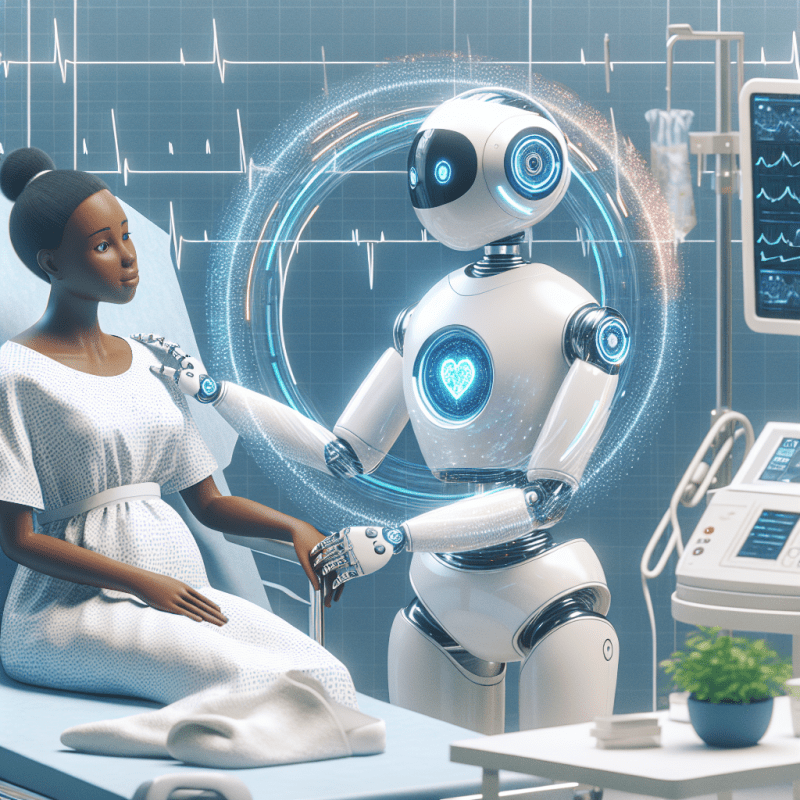
Artificial Intelligence, or AI for short, is all about making machines think like humans. Imagine having a computer that can learn, solve problems, or even understand language. That’s AI in action! It's like giving machines a little brain of their own.
At its core, AI works by processing huge amounts of data. It learns from this data and makes decisions based on patterns it finds. Think of it like a super-smart friend who remembers everything you’ve ever told them and uses that info to help you out. Whether it’s recognizing your voice, recommending your next favorite movie, or helping you with everyday tasks, AI is designed to make your life easier.
You might wonder where AI shows up in our daily lives. It's everywhere! From virtual assistants like Siri and Alexa to Google search suggestions and self-driving cars, AI is changing how we interact with technology. Even chatbots on websites use AI to answer your questions quickly. It’s like having a personal assistant available 24/7!
As we dive deeper into the world of AI, it’s exciting to think about where this journey will take us. The possibilities are endless, and every day brings new advancements. So, whether you’re a tech enthusiast or just curious, there’s a lot to explore in the journey of artificial intelligence.
A Brief History of AI
The story of artificial intelligence (AI) begins way back in the 1950s. It all kicked off when a bunch of bright minds started wondering if machines could think like humans. One of the biggest names in this early phase was Alan Turing. He created the Turing Test, which is a way to check if a machine can mimic human responses well enough that you wouldn’t guess it was a computer.
In 1956, the term "artificial intelligence" was actually born at a conference at Dartmouth College. This gathering brought together key figures who shaped the field. They were excited about the possibilities. They thought computers could learn, reason, and solve problems, just like us.
Fast forward to the 1970s and 80s, when the AI field hit some bumps in the road. Funding dried up, and progress slowed. This period is often called the "AI winter." People got a little disheartened because the tech just couldn’t live up to the wild expectations. But the spark of innovation never fully died out.
Key Milestones in AI Development
Artificial Intelligence (AI) has come a long way since its inception, with several key milestones that shaped its journey. One of the earliest moments was in the 1950s when Alan Turing introduced the Turing Test. This test aimed to measure a machine's ability to exhibit intelligent behavior similar to that of a human. It sparked the debate about what it means to be intelligent and laid the groundwork for future AI exploration.
Fast forward to the 1960s, when researchers began developing programs that could solve algebra problems and prove mathematical theorems. These early attempts at creating machines that could think brought a lot of excitement and hope. However, the hype soon faded when progress slowed, leading to what many call the "AI winter" in the 1970s. Funding dried up, and many projects were put on hold as researchers struggled to deliver on their ambitious promises.
The 1980s marked a turnaround with the rise of expert systems. These systems were designed to mimic human expertise in specific domains, like medical diagnosis. They provided a new glimmer of hope and attracted investments from corporations eager to tap into AI’s potential. This renewed interest brought AI back into the mainstream and laid the foundation for more complex technologies.
Things really kicked off in the 1990s and early 2000s with advances in machine learning and neural networks. AI started showing up in our everyday lives, from search engines to recommendation systems. The game-changer, though, came in 2012 when deep learning hit the scene. This technology allowed computers to learn from vast amounts of data, making AI applications smarter and more capable. We saw breakthroughs in image and speech recognition, and suddenly, AI wasn't just a concept; it was becoming a part of our reality.
Today, AI continues to evolve at a rapid pace. With innovations happening every day, the future is exciting. From self-driving cars to personal assistants on our phones, we’re just scratching the surface of what AI can do. Each milestone in AI's journey builds on the last, and the possibilities are endless.
The Future of Artificial Intelligence
One of the coolest things about AI is its ability to learn. As algorithms get better, these systems can analyze data and make decisions on the fly. This means they can help businesses make smarter choices, doctors diagnose illnesses more accurately, and even help teachers tailor education to each student's needs.
Then there's the impact on creativity. AI is already generating music, art, and writing. This gives artists new tools to explore and express themselves. Who knows? We might see AI and humans collaborating to create masterpieces we can't even imagine yet.
Of course, with all this innovation, we need to keep an eye on ethics and safety. We want to ensure AI is used for good and doesn't cause harm. Discussions around responsible AI usage are happening now and will shape how we move forward.
In short, the future of AI is bright. It will change how we live, work, and interact. While challenges exist, the possibilities are endless, and it's going to be an incredible journey ahead.