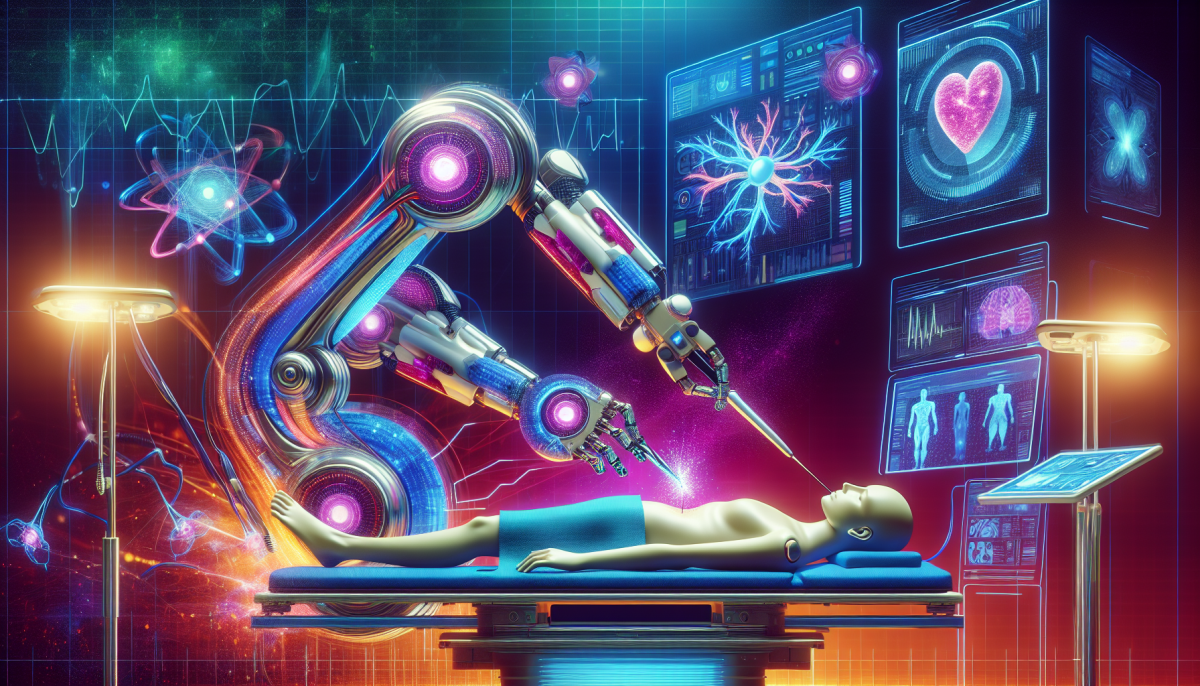
AI is transforming patient care in exciting ways. Imagine walking into a medical facility where machines and algorithms work alongside doctors to make healthcare faster and smarter. AI helps in diagnosing conditions earlier and more accurately. For instance, tools that analyze medical images can spot issues that might slip past human eyes. This means patients can get the right treatment sooner, leading to better outcomes.
Imagine a world where your doctor has an AI assistant that sifts through countless research papers and patient data. This tech digs deep to find the most effective treatment plans for your unique situation. It's like having a personal healthcare guide who's always on top of the latest developments. Doctors can focus on what they do best—caring for you—while AI handles the heavy lifting.
Patient monitoring also sees a boost from AI. Wearable devices track your health stats in real-time. AI analyzes this data, alerting both you and your doctor of any concerning changes. This proactive approach means potential problems can be tackled before they blow up into something serious.
Don’t forget about the convenience factor. Chatbots and virtual health assistants can answer your questions 24/7, schedule appointments, or even provide medication reminders. This tech makes healthcare more accessible, reducing the need to sit in a waiting room for basic queries. With AI streamlining processes, patients feel supported every step of the way.
Streamlining Administrative Tasks with AI
Administrative tasks can bog down healthcare providers, eating into precious time that could be spent on patient care. AI technology swoops in like a superhero to streamline these tasks, making life easier for everyone involved. From managing schedules to processing paperwork, AI can handle it all.
Imagine a virtual assistant that can coordinate appointments without human intervention. AI can analyze data and find open time slots that work for both patients and doctors, cutting down on back-and-forth emails or phone calls. This helps reduce scheduling conflicts and keeps everything running smoothly.
Paperwork? No problem! AI tools can scan documents, extract relevant information, and input it into electronic health records. This speeds up the process and keeps patient data organized and easy to retrieve. Less time on paperwork means more time to focus on what truly matters: patient care.
Billing and claims can also be tricky to navigate. AI can help with that, too. It automates billing processes, identifies discrepancies, and submits claims faster than a manual process. This not only speeds up payments for healthcare providers but also minimizes errors that can lead to disputes.
By embracing AI for administrative tasks, healthcare providers can run their operations more efficiently. It clears the path to spend more quality time with patients and to make informed decisions quickly. The future of healthcare is definitely looking bright with AI lending a hand!
Enhancing Diagnosis and Treatment Accuracy
AI technology is changing how we look at diagnosis and treatment in healthcare. Imagine walking into a doctor's office, and instead of the usual lengthy tests, you have a system that quickly analyzes your symptoms. That’s where AI comes in. It helps doctors pinpoint actual issues faster and with more accuracy than ever before.
With AI doing the heavy lifting, sifting through tons of medical data becomes a breeze. It pulls in everything from patient histories to recent studies in seconds. This means doctors can see the big picture and spot patterns they might have missed. The result? A more precise diagnosis, leading to the right treatment from day one.
Take imaging for example. AI can review X-rays and MRIs like a pro. It recognizes details that could be easy to overlook, helping radiologists catch things sooner. This technology doesn’t replace doctors; it enhances their skills, making sure patients don’t miss out on important care.
And let’s not forget personalized medicine. AI analyzes how different patients respond to various treatments. This means healthcare is becoming tailored to individual needs rather than a one-size-fits-all approach. You get treatments designed specifically for you, which improves outcomes and satisfaction.
The Future of AI in Healthcare
AI is shaking things up in healthcare, and it’s exciting to think about what’s to come. Imagine algorithms that can analyze your medical history in seconds, offering up personalized treatment options tailored just for you. It’s not just a dream; it’s happening now. In the next few years, we can expect AI to further enhance diagnostic accuracy, helping doctors spot issues sooner and potentially saving lives.
One area where AI shines is in patient care. Picture virtual health assistants that are available round-the-clock, ready to answer your questions or remind you to take your medication. These AI tools will not only help patients stay engaged in their health but will also ease the workload for healthcare providers, allowing them to focus on what they do best—caring for patients.
Let’s not forget about data. Healthcare generates massive amounts of information every day. AI can sift through that data to find trends and provide insights that are just too daunting for humans to tackle alone. This means better research, improved treatments, and maybe breakthroughs we haven’t even imagined yet.
However, it's essential to keep ethics in mind as we move forward. With great technology comes great responsibility. Ensuring patient privacy and data security will be key. As AI takes on a bigger role in healthcare, striking a balance between innovation and ethical considerations will be crucial for building trust and safeguarding patient info.